
Four decades of Caymanian culture
From our origins in 1984 to a new era of creative partnership, follow the milestones that shaped the Cayman National Cultural Foundation. Drag or use the arrows to travel through time.

1984
Origins
After several years of successful independent theatrical productions, there was a groundswell of support advocating for a permanent home. Local philanthropist Helen Harquail, OBE, donated 12 acres of land and financial support in memory of her late husband, Frank J. Harquail, adjacent to land previously donated by Mr. Lawrence Thompson in support of this effort. Steve McTaggart committed to the construction, and the concept for a purpose-built national theatre and the FJ Harquail Cultural Centre was born.
To support this undertaking, the formation of the Foundation was formally announced by the Cayman Islands Government on 14 May 1983, under the leadership of inaugural Chairman Oswell Rankine and a Board of Directors that included: Elizabeth Spencer (Secretary), Leslie Bigelman, Anita Ebanks, Hilda Bodden (Treasurer), Peter Widmer, Bud Page, Jeremy Spencer, George Lister, Martyn Bould (Deputy Chairman), Vassel Johnson (Honorary Chairman), Consuelo Ebanks, Rory Healy, Arthur Hunter, Sammy Jackson, Gilbert McLean and Georgette Myrie, with Geoff Cresswell as Founding Artistic Director. Soon afterwards, UNESCO was commissioned to complete a feasibility study for the creation of the Harquail Cultural Complex “in the context of the priority aims of the national cultural policy aimed at promoting performing arts, indigenous cultural activities, preservation of national cultural heritage and cultural tourism.”
The Foundation was established not only in support of building physical infrastructure for theatre management, but also to stimulate and facilitate the development of culture generally, organise cultural festivals, develop local talent through appropriate means and assist persons interested in developing cultural and artistic expression.
The Foundation subsumed the operations of the Cayman National Theatre Company (CNTC), which had its beginning in Inn Theatre, founded in 1977. Combining individual creativity with a common interest in ensuring that the theatrical arts were accessible to all, CNTC acted as a cultural incubator and catalyst that explored and celebrated Caymanian culture and heritage, as well as wider regional and international theatre.
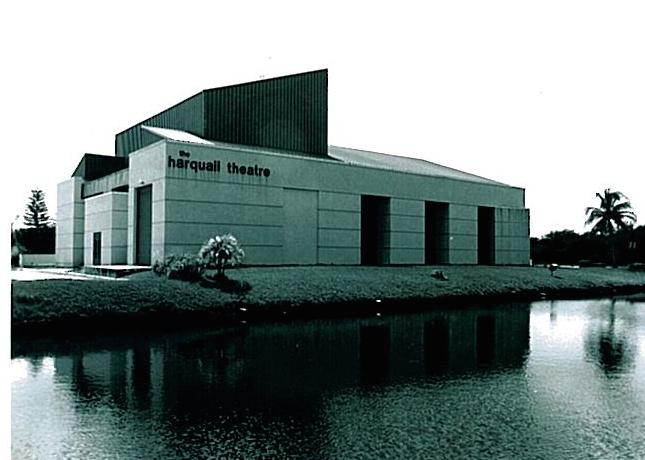
The Harquail Theatre opened its doors on 25 November 1986 with a performance of The Sound of Music. A champagne reception and opening ceremony marked the formal inauguration of this multi-million-dollar facility, designed to accommodate a wide range of social, cultural, and entertainment events — with the grand gala performance bringing the evening to a fitting close.
The FJ Harquail Cultural Centre formally opened in 1987.

1987-1989
Formation
To support this undertaking, the formation of the Cayman National Cultural Foundation was formally announced by the Cayman Islands Government on 14 May 1983, under the leadership of inaugural Chairman Oswell Rankine and a Board of Directors that included: Elizabeth Spencer (Secretary), Leslie Bigelman, Anita Ebanks, Hilda Bodden (Treasurer), Peter Widmer, Bud Page, Jeremy Spencer, George Lister, Martyn Bould (Deputy Chairman), Vassel Johnson (Honorary Chairman), Consuelo Ebanks, Rory Healy, Arthur Hunter, Sammy Jackson, Gilbert McLean and Georgette Myrie, with Geoff Cresswell as Founding Artistic Director. Soon afterwards, UNESCO was commissioned to complete a feasibility study for the creation of the Harquail Cultural Complex “in the context of the priority aims of the national cultural policy aimed at promoting performing arts, indigenous cultural activities, preservation of national cultural heritage and cultural tourism.” The Harquail Theatre and the FJ Harquail Cultural Centre formally opened in 1987.
1990-1999
Building the Movement
In its early years, CNCF laid the groundwork for a vibrant and enduring arts movement in the Cayman Islands. It began by fostering local literary and artistic expression through the launch of National Playwriting Workshops and a competition, alongside the establishment of the CNCF Artistic Grants programme to support creative development. To recognise excellence and celebrate cultural achievement, CNCF also inaugurated its annual National Arts & Culture Awards.
By 1991, Cayman’s artistic identity was reaching beyond its shores. Under the leadership of new Artistic Director Henry Muttoo, the first production of Rundown became a cultural hallmark of the Caymanian stage, while CNCF brought Caymanian talent to international audiences at the Festival of the Arts in Rugby, England, and the Aberdeen International Youth Festival in Scotland. Around this time, Cayman’s participation in the Caribbean Festival of the Arts (Carifesta) became a consistent presence, missing only one staging over two decades – a testament to the country’s commitment to regional cultural exchange.
The momentum continued in 1994, with CNCF hosting the Carib Arts International Exhibition, further cementing its role as a cultural hub. That same year, the publication of My Markings… the Art of Gladwyn K. Bush helped document and elevate the work of one of Cayman’s most celebrated artists.
In 1995, the Carib Art exhibition attracted over 6,000 visitors and showcased the work of local painters, while CNCF ran free workshops in painting and ceramics and co-sponsored a sculpture workshop with the Visual Arts Society. CNCF also funded the participation of Caymanian artists Miss Lassie Bush, Bendel Hydes, Miguel Powery, and Phillipe Bush in Carifesta VI in Trinidad, and launched Cayfest, the Cayman National Festival of the Arts, creating a dynamic, multi-disciplinary platform for showcasing local talent and engaging the wider community in the arts.
By 1996, CNCF invested further in nurturing the next generation, establishing the Young at Arts after-school programme alongside a three-week summer camp for children aged 7 to 13, offering creative dance and craft activities at an accessible cost. In 1997, CNCF’s contributions expanded into publishing and music: Will Jackson’s memoir Smoke Pot Days was published, preserving important cultural narratives, while recordings of Radley Gourzong & the Happy Boys and Nuttin’ As Sweet, featuring the music of Roy Bodden, ensured Caymanian music reached broader audiences.
In 1998, CNCF took a significant step in preserving national heritage by acquiring over 100 paintings by Miss Lassie for the National Collection, safeguarding an essential part of Cayman’s artistic legacy. That year also saw the launch of the Gimistory International Storytelling Festival, which would go on to become a cherished annual event celebrating oral traditions and cultural exchange.
Together, these milestones reflect a deliberate and evolving effort by CNCF to cultivate, celebrate, and share Caymanian culture, both locally and on the world stage.

2000-2009
A Growing Voice
Entering the new millennium, CNCF continued to deepen its commitment to preserving and promoting Caymanian literary and artistic expression. In 2000, this was reflected in the publication of Frank McField’s plays Time Longer Dan Rope and Downside Up, two important works that contributed to the growing body of Caymanian theatre and storytelling.
The following year marked another significant step in documenting the nation’s cultural development with the release of the first edition of Foundation, the Cayman Islands Arts & Culture Journal — a formal platform for capturing the evolution of the arts in the Cayman Islands and the people and ideas shaping its creative landscape.
By 2003, Cayman’s literary scene continued to flourish with the publication of Leonard Dilbert’s poetry collection, Grown From This Ground, adding a powerful Caymanian voice to contemporary Caribbean literature. That same year, Cayfest audiences experienced an unforgettable moment at the Harquail Theatre when Nobel Laureate Derek Walcott took the stage, delivering a mesmerising reading of his renowned poem The Schooner Flight to a packed house. His presence brought an air of international prestige to the festival, and his rich, hypnotic voice made the evening a highlight in Cayman’s cultural history.
In 2007, the resilience of Cayman’s cultural community was on display when the FJ Harquail Cultural Centre was rebuilt and reopened following the devastation caused by Hurricane Ivan in 2004. The restoration of this vital cultural venue symbolised not only recovery but renewal, ensuring the performing arts would continue to have a central home in the islands.
By 2009, CNCF had expanded its efforts to preserve Caymanian heritage through music with the establishment of the Cayman Islands Folk Singers – an ensemble of amateur singers and musicians formed to safeguard and share the islands’ folk traditions. Dedicated to celebrating Caymanian identity through song, the group embraced music that reflects the local experience while connecting it to the wider Caribbean and global community, and has played an important role in keeping traditional music alive and accessible for generations to come.
Together with many other grassroots initiatives, these developments illustrate a decade of growth, resilience, and cultural enrichment, as CNCF continued to nurture artistic expression and strengthen the foundations of Cayman’s national identity.
2010-2020
Milestones and Momentum
Rundown was postponed in 2010 after the original writer of the show’s script retired and moved off-island, resuming its annual presentation the following year. In 2011, CNCF also debuted the FRESH Cayman Couture Fashion Show and the Young Image Makers Film Competition.
In 2013, CNCF Artistic Director Henry Muttoo was named a Member of the Order of the British Empire for services to art and cultural heritage. That same year, Harquail benefactress Helen Harquail passed away, and the CNCF Law was amended, creating a nine-member Foundation Board, with one seat nominated by Mrs Harquail or her estate. Red Sky at Night also launched in 2013 as part of Cayfest.
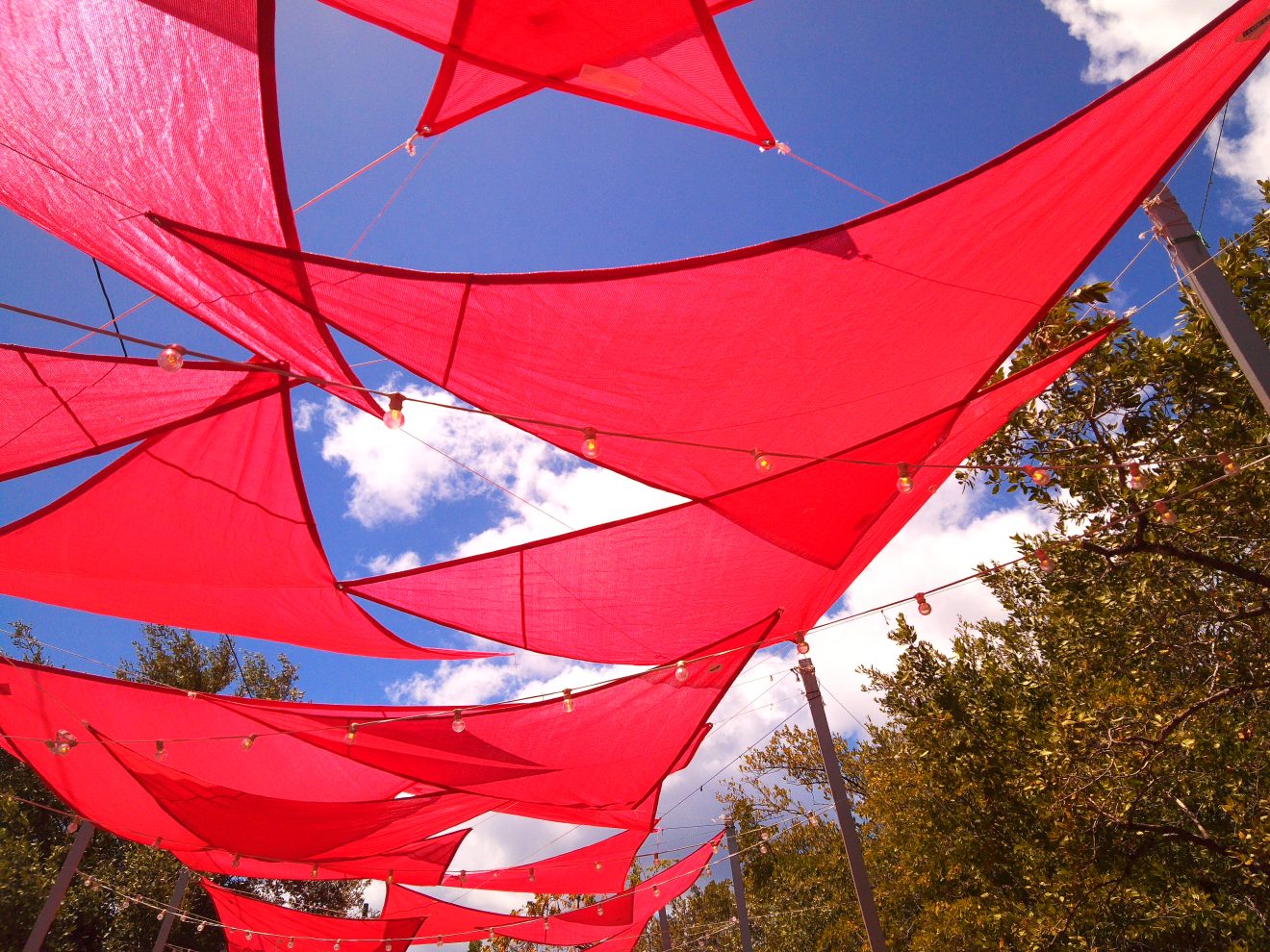
In 2016, CNCF celebrated thirty years of the FJ Harquail Cultural Centre. In 2019, Red Sky at Night was postponed due to inclement weather.

2022
Legacy
As the Cayman Islands continued to grow in population, diversity, and creative capacity, so too did the needs of the cultural sector. Artists increasingly sought professional development, funding opportunities, mentorship, research support, and sustainable career pathways. Schools looked for deeper engagement with Caymanian culture and heritage, while communities sought greater access to programmes that reflected the evolving cultural landscape.
In 2022, under the leadership of our Board, then Chief Executive Officer Natalie Urquhart BEM, and multiple community stakeholders, with support from Lord Cultural Resources, the Foundation embarked on an 18-month strategic redevelopment project aimed at building upon our strong artistic legacy while adapting the organisation to the evolving needs of the burgeoning creative sector.
This strategic redevelopment project marked an important evolution in CNCF’s history. Rather than viewing itself solely as a producer of artistic programmes, the Foundation embraced a broader role as a leader in cultural development – one that not only presents work through its various departments, but also invests in artists, strengthens cultural infrastructure, preserves heritage, and fosters long-term sector growth.
Our resulting vision for the Foundation’s future is an ambitious one, based upon a model of collaboration and partnership which places our artists, creative animators, and partner organisations at its centre. With a greatly expanded education remit and a renewed focus on sector development through access to grants, residencies, and professional development, we seek to create a space where our unique history and heritage is preserved and celebrated, while driving the culture of tomorrow through innovative projects and programmes.

2023
Renewed Vision
In 2023, CNCF began implementing this renewed vision through a significant organisational restructuring and the introduction of new programmes designed to strengthen the Cayman Islands’ creative ecosystem and orange economy.
The Foundation transitioned from its long-standing Artistic Director and Managing Director structure to a departmental leadership model, creating dedicated departments responsible for Theatre and Festivals, Education, Research and Grants, and Organisational Management. This distributed leadership approach empowered Heads of Department to lead projects from concept to delivery while developing specialised expertise across the organisation.
The establishment of the Education, Research and Grants Department expanded CNCF’s educational remit and introduced new initiatives including schools programmes, cultural resources, artist grants, research fellowships, and residencies.
The Theatre and Festivals Department also launched its Creative Partnership Programme, recognising that supporting the cultural sector meant working alongside artists and organisations rather than solely producing work itself.
Through access to CNCF’s venues, technical expertise, professional support, equipment, and production resources, the Foundation has partnered with numerous cultural organisations, including the Cayman Islands National Dance Company, Cayman Islands Folk Singers, Cayman Kaleidoscope Productions, Cayman National Choir & Orchestra, Cayman Arts Festival, Floetry (Poetry Society), Cayman Music and Entertainment Association, the National Children’s Festival of the Arts, Cayman Talent Expo, the Ministry of Youth, Sports, Culture and Heritage, the Cayman Islands Department of Education, the National Gallery of the Cayman Islands, independent arts educators, and many local creative practitioners.
2026
As we grow…
The Boards and senior leadership of CNCF and NGCI are committed to collectively moving forward with the original vision for the Harquail site. A Steering Committee comprised of members from both institutions, along with industry experts, has now embarked on a feasibility study for the National Cultural Campus. CNCF will continue its dedication to the work of preserving, promoting and celebrating Caymanian culture and Heritage.
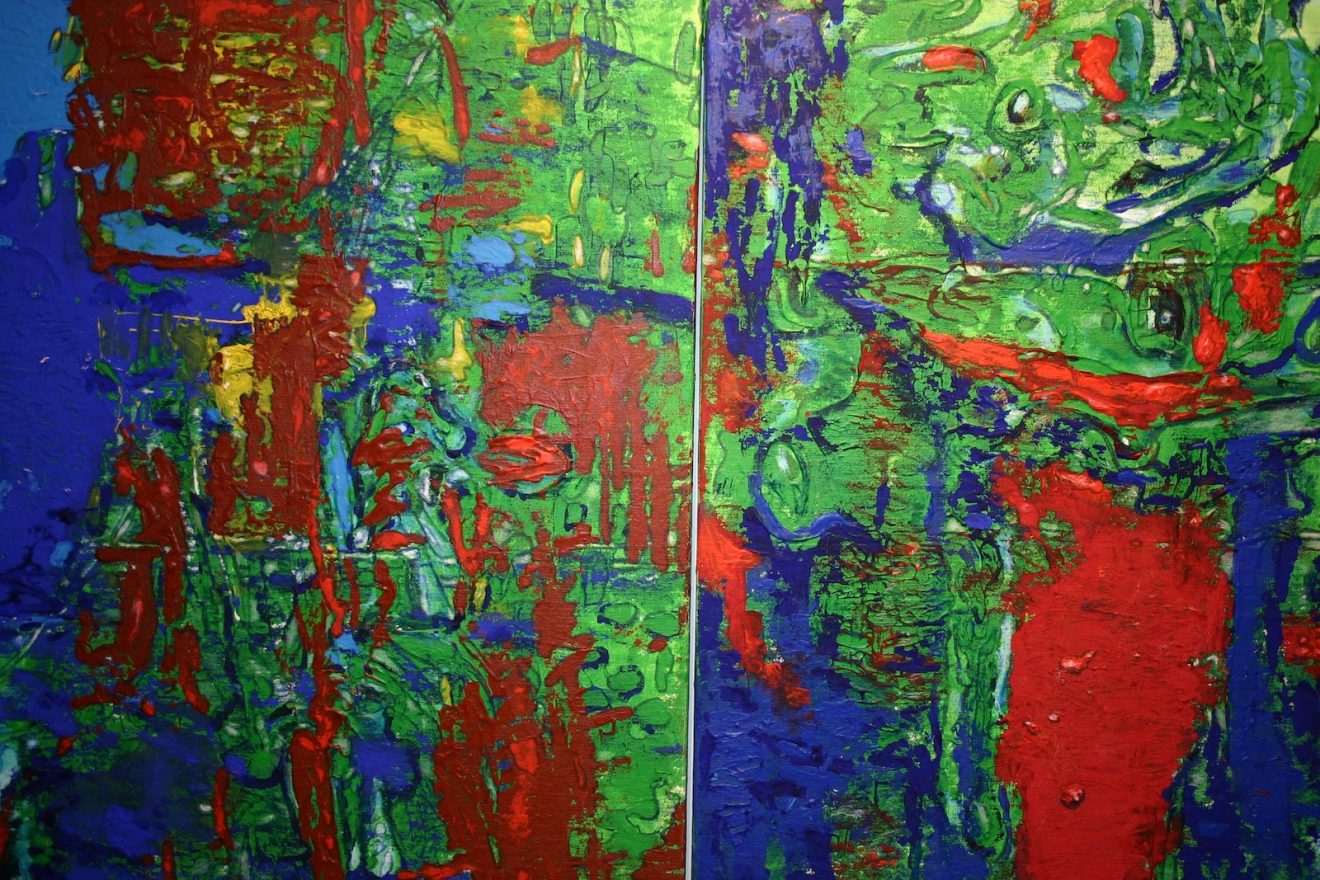
The image above is part of a series of paintings done by local artist Al Ebanks called ‘To Serve with Love’. CNCF is committed to serving our community – honouring our past to protect our future – with love.
Future Plans
Strategic Direction
In 2022, CNCF launched an exercise to develop an ambitious new strategic direction that would build on our strong artistic legacy while adapting to the evolving needs of Cayman’s growing creative sector. Our strategic vision prioritises expanding our education and community programmes, growing the support of and for Caymanian artists, becoming a thought leader in the creative sector, and working towards the long-term vision of a National Cultural Campus in partnership with the National Gallery of the Cayman Islands.
Strategic Plan PDFAnnual Reports
As part of our commitment to transparency, we publish annual reports and data relating to our strategic plan, output achievements, and funding agreements. Learn more about the Foundation’s work over the past several years here.